
Stock Polythene Film

Stock Polythene Film
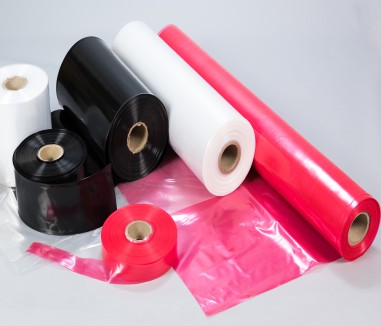
We stock the UK's widest selection of polythene film, sheeting and tubing at fantastic discount prices.

Stock Polythene Bags

Stock Polythene Bags
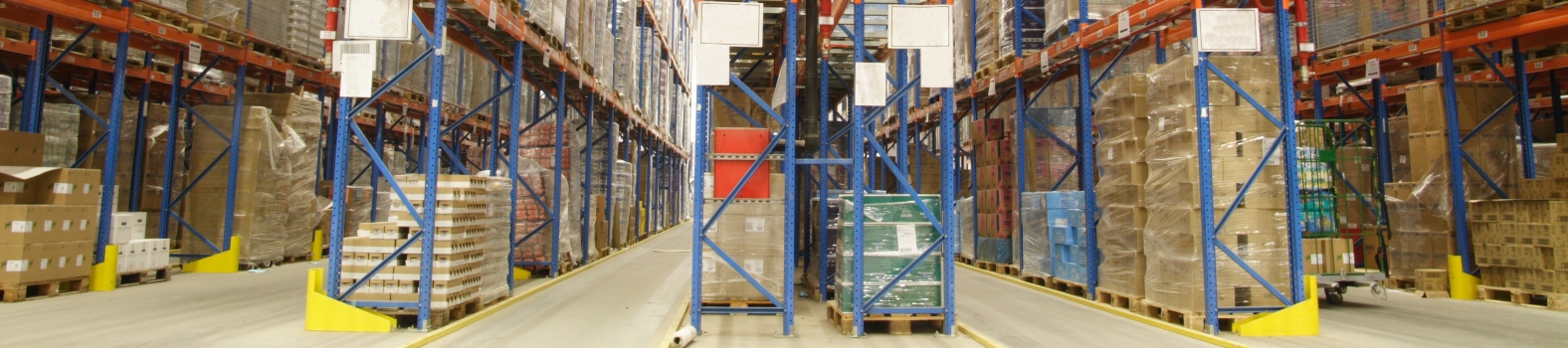
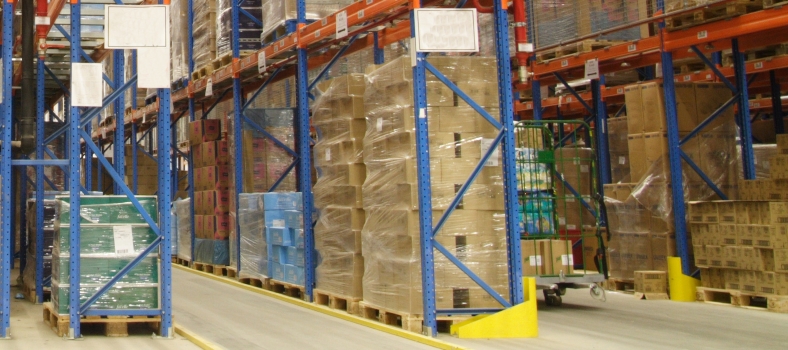
With over 100 million polythene bags in stock, choose from every kind of bag, off the shelf at wholesale prices.

Manufacture Polythene Film

Manufacture Polythene Film
With 13 blown film extruders operating round the clock, we are the UK's number one polythene manufacturer.

Manufacture Polythene Bags

Manufacture Polythene Bags
With 12 conversion machines, we can make any size, shape, colour or strength polythene bag you need.
Polythene.co.uk - the website for all your polythene needs Polythene.co.uk - the website for all your polythene needs

The UK's Polythene Specialists

Welcome to Polythene.co.uk - the specialist website from Polybags, the UK's number one polythene manufacturer, bringing you the best range of polythene packaging at rock-bottom prices.

At Polybags we manufacture all of our own polythene products so there is no middleman involved - you're buying direct from the manufacturer which means the most competitive prices around.

We stock an unrivalled selection of polythene products available off-the-shelf at wholesale prices or we can create made-to-measure products just for you with our bespoke service - all with fast, free delivery and our famous no-quibbles guarantee!

Our online shop is stocked with over 100 million polythene bags and a massive range of polythene rolls, film, sheeting and tubing. We're proud that our stocked range of off-the-shelf polythene products is second-to-none - as are our bargain prices!

Ten reasons why polythene is in the news

At 65 micron, polythene suppliers sheeting sits in a particularly serviceable part of the gauge spectrum: light enough to retain tare weight and roll handling within reason on a busy products-in bay, yet big enough to resist the pinholing and edge-split failures that tend to appear once film is pulled across rough pallet corners or dragged above unfinished screed. In practice, that makes it a sound fit for secondary bagging, temporary dust suppression, floor isolation and short-term waterproofing, particularly where stock lines need one material to cover several site tasks without compromising select-face efficiency. The narrower 750 mm format lends itself to bench-side packing and strange consignments; the 1 m roll is more normal where big coverage, cleaner overlap management and pallet stability are the priority. The long dash length alters the arithmetic as well less changeovers, less reel waste, and better volumetric efficiency in stores while the mono-material nature of plain polythene suppliers remains helpful from a recovery standpoint, provided the film stream is kept reasonably clean and segregated. What matters on the floor is not abstract versatility nevertheless process reliability: consistent melt-flow in manufacture, even gauging across the web, and sufficient surface toughness to take abrasion, tape lift and repeated handling without turning a simple protective layer into avoidable waste.

Best match for poly rolls

Poly rolls sit in an awkwardly underestimated corner of industrial packaging; on paper they are merely hurt polythene suppliers stock, nevertheless on the warehouse floor they govern all from select-face efficiency to pallet discipline and secondary bagging throughput. The engineering trouble is rarely the film itself in isolationit is the interaction between micron-specific gauging, melt-flow consistency and surface resistivity, each of which affects how cleanly the roll unwinds, how reliably it runs across sealing bars, and whether static starts to pull dust into the web amid conversion. A poorly controlled roll profile adds drag to the line, increases telescoping in storage and can upset volumetric efficiency once finished packs are nested into outer cases. By contrast, well-specified mono-material polythene suppliers rolls with stable high-density polymer chains offer a tidier route through both production and recovery; tare weight remains modest, pallet stability is easier to maintain, and recyclability is less compromised by laminated complexity. The commercial reality is that firms sourcing this kind of stock are not simply comparing contact detailsthey are trying to judge whether a supplier understands slit accuracy, core integrity and the amortised energy tied up in repeat extrusion runs, because those details have a habit of appearing later as waste, stoppages and avoidable handling cost.

Poly bags sit at an awkward nevertheless highly practical junction in modern fulfilment: light in tare, forgiving below variable load, and far less punitive on volumetric efficiency than corrugated in plenty split-consignment flows. Where a line is handling 490 divided dispatches, the argument is not merely about putting products in a bag; it is about maintaining select-face efficiency while keeping pack stations transparent of unnecessary board handling and secondary bagging. The material itself matters above casual buyers tend to thinkhigh-density and low-density polythene suppliers blends can be specified to balance puncture resistance with seal integrity, while micron-specific gauging determines whether the film runs cleanly through automated sealing kit or beginnings to neck, snag and generate avoidable downtime. Static build-up, often dismissed as a minour nuisance, can become a pure origin of friction when lightweight units cling amid counting or waste to separate on fast lines; that is typically mitigated through controlled surface resistivity and tighter process discipline around film storage. There is also a less glamorous arithmetic at work in the background: pallet stability improves when packs conform tightly to uneven stock, dead space in outbound cases is reduced, and the amortised energy tied up in transport drops so. Provided the format remains mono-material and complimentary from unnecessary laminates, recyclability is materially more straightforward, which is where poly bags retain a place in serious packaging operations rather than merely cost-effective ones.

Poly Film in Gujarat

Poly film sits in that slightly misunderstood corner of the converting trade where a simple sheet of polythene suppliers is assumed to be a commodity, when in practice performance is governed by far above gauge alone. The engineering reality turns on polymer architecture, melt-flow consistency and the discipline of extrusion; a few microns either method can alter puncture resistance, seal integrity and even pallet stability once the material is formed into liners, wraps or secondary bagging. On the warehouse floor, that translates directly into volumetric efficiency and tare weight impactlighter structures can reduce dead load across a consignment, nevertheless only if the film retains sufficient stiffness and dart impact strength to avoid split stock and rework. There is also the less glamorous issue of static and surface behaviour: untreated film can cling, misfeed and compromise select-face efficiency, whereas controlled surface resistivity and corona treatment facilitate cleaner handling and more proper downstream printing or lamination. From a circular-economy standpoint, mono-material polythene suppliers formats remain attractive because recyclability is less hindered than in mixed-substrate buildings, particularly where the specification avoids unnecessary additives and maintains efficient recovery value through the waste stream.

polythene suppliers bags occupy an awkward position in the waste stream because their utility on the packing bench is matched by their persistence once discarded; in food carriage applications, the preference for lightweight film is driven by a mix of puncture resistance, seal integrity and low tare weight, all of which improve volumetric efficiency across a consignment and reduce strain on pallet stability amid onward handling. Yet that same low gauge buildingoften optimised down to the micron to save resin without sacrificing tensile performancecreates headaches in recovery systems, where static cling, food residue and secondary bagging pollution interfere with sorting accuracy and undermine mono-material recyclability. The engineering reply is not simply to use less film, nevertheless to specify it more intelligently: tighter control of melt-flow consistency, cleaner polymer feedstock, and structures designed around a single family of polythene suppliers can materially improve reprocessing yield, while surface treatment and seal design can be tuned so the bag performs properly at the select-face without being overbuilt. In practice, the discussion is less about abolishing film outright than about aligning material properties with the realities of warehouse throughput and circular-economy constraints, so that the amortised energy embedded in each bag is not squandered after a single, poorly managed use cycle.

Environmental Risk of Multi-year polythene suppliers Film Mulching and its Green Solution in Arid Irrigation Region

polythene suppliers film, when pressed into service annually as a field barrier, stops to be a simple cover stock and becomes a materials-management problem with long tails. The trouble is not merely visible residue after lifting; it lies in oxidative embrittlement across the polymer chains, gauge loss at the thin sections, and the gradual generation of fragments small enough to evade routine recovery yet persistent enough to alter soil structure and drainage behaviour. In practice, that creates a poor circular outcome: contaminated arisings, mixed grades, and degraded melt-flow consistency all complicate reprocessing, particularly where secondary bagging waste and agricultural film are aggregated in the same consignment. The engineering response is less about rhetoric than specification disciplinemono-material film formats with tighter micron-specific gauging, controlled additive packages that temper service-life degradation without leaving a brittle stop-of-life fraction, and assortment systems designed around bale density, pallet stability and tare weight impact so that reverse logistics remain commercially workable. Done properly, the earn is not abstract; cleaner recovery streams improve recyclate yield, reduce handling losses on the warehouse floor, and shift the energy burden from repeated virgin resin production towards a more amortised material loop.

Ambassadour Write-On Grip Seal polythene suppliers Bags packaging supplierble 150 Ref GA-130 Pack of 1000

packaging supplierble polythene suppliers bags in the 150 x 229 mm class sit in an oddly exacting corner of the packaging trade: small enough to be treated as a commodity line, yet technically sensitive once they reach the select-face. The grip-seal profile has to close cleanly below repetitive handling without cool cracking at the rib, which is why melt-flow consistency and gauge control matter rather above the list of products copy ever recommends. Add a write-on panel and the converter is balancing two competing surface requirementssufficiently receptive for marker stickiness, nevertheless not so heavily treated that the film loses slip properties and snarls amid secondary bagging. On the warehouse floor, the advantage is less about novelty than discipline: lighter tare weight than rigid pots, better volumetric efficiency in tote packing, and less stock-control errours when small parts, samples or fasteners need visible segregation. If the film is kept mono-material, recyclability remains comparatively straightforward, though the proper industrial calculation lies in amortised energy and spoilage reduction; a bag that seals first time, stacks without fish-tailing and maintains pallet stability across a full consignment quietly does more for operational performance than any amount of inflated sales language.

A competent office administratour within a polythene suppliers manufacturer is not simply fielding calls and keying invoices; the mail sits squarely in the operational seam between production planning, sales administration and dispatch discipline. On a converting floor where melt-flow consistency, micron-specific gauging and seal performance dictate what can realistically be dash on a given shift, even routine order processing carries technical weightan errour in specification, pack count or secondary bagging instruction can upset pallet stability, distort tare weight assumptions and leave volumetric efficiency on the back foot before a consignment has left the yard. The daily office rhythm so tends to revolve around stock reconciliation, booking-in raw material movements, raising paperwork with sufficient accuracy for the warehouse and records functions to work without rehandling, and keeping the sales ledger aligned with what has in reality been manufactured rather than what was merely forecast. In organizations trading on biodegradable or environmentally considerate packaging, there is a further layer: claims around mono-material recyclability, feedstock provenance and amortised energy in production must be recorded with care, because the administrative trail often underpins both client assurance and internal compliance. It is meticulous work, certainly, nevertheless not clerical in the narrow sense; it facilitates clean handovers between select-face efficiency, invoice integrity and the practical realities of making polythene suppliers products at scale.

Are You Searching For polythene suppliers Packaging Manufacturers?

polythene suppliers packaging rarely succeeds on breadth of spectrum alone; what matters on the warehouse floor is whether the film specification in reality matches the duty cycle, the pack geometry and the handling regime. In practice, that means balancing high-density polymer chains against puncture resistance, controlling micron-specific gauging so tare weight does not quietly erode transport efficiency, and maintaining melt-flow consistency across production runs so sealing performance remains predictable below line speed. The proper friction tends to appear where operational requirements overlap: static build-up interfering with select-face efficiency, excessive film memory compromising pallet stability, or above-engineered secondary bagging adding volume without improving protection. Modern converting technology mitigates much of this by allowing tighter gauge control, more stable seal windows and cleaner mono-material formats that sit more adequately within circular-economy targets; less mixed substrate means more straightforward recyclability, and reduced material mass lowers the amortised energy burden per consignment. For stockholders and industrial packers alike, the value lies in a polythene suppliers format that is not merely tailored in dimension, nevertheless engineered around surface resistivity, machineability and volumetric efficiencybecause in a distribution environment, marginal earns in cube utilisation and damage reduction have a habit of becoming commercially visible very fast.

Evaluation of bag polythene suppliers in a waste-handling context tends to turn on far above nominal gauge and headline load rating. In practice, the decisive variables sit lower down the chain: resin blend behaviour below puncture stress, melt-flow consistency amid film extrusion, and the extent to which dart-impact performance can be held without pushing tare weight beyond what the consignment can sensibly absorb. A liner that sees adequate on paper will often fail at the select face or amid secondary bagging if the polymer chains have been above-optimised for downgauging at the expense of seal integrity; the result is split seams, leakage in compacted streams and avoidable labour drag on the warehouse floor. Better-performing bag polythene suppliers normally comes from tighter micron-specific gauging and a cleaner mono-material structure, which facilitates more predictable recyclability once contaminated fractions have been stripped out, while also preserving pallet stability by avoiding needless bulk in the roll format. Static behaviour and surface slip matter as wellparticularly where high-speed dispensing or nested stockhandling is involvedbecause uncontrolled cling can disrupt opening, misfeed the line and blunt volumetric efficiency across the wider packing operation.

Polythene Film Polythene Film

However, if you need a bespoke product tailor-made to suit your particular needs - whether a specific size, with a colour tint or even printed with your own company logo or branding - then you're in the right place. We produce made-to-measure orders for those customers that need them to make sure they get exactly the product they need.

With over 50 years' experience in the packaging industry, here at Polybags we always strive to offer exceptional service and value to our customers, guided by the old adage that 'the customer is king'.

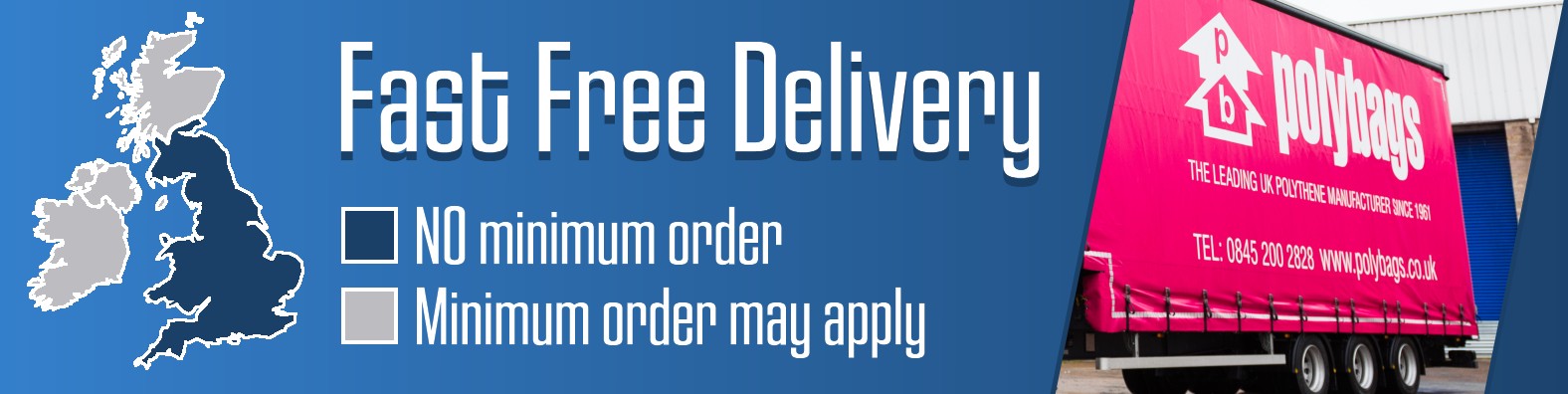
We offer free samples on any product and fast, free delivery to all parts of the UK and Ireland (minimum order may apply) plus next day, express and worldwide delivery options to ensure our customers get the first rate service they come to expect.

Your customer satisfaction is our main concern and, with over 5,000 5-star reviews on Trustpilot, we hope we're doing something right!

Latest news and views on polythene

White Bi Poly Rolls 10kg Net

Clear poly rolls tend to be judged also casually on diameter and ticket weight, when the more telling measures sit deeper in the specificationnet resin content against all mass, gauge discipline across the web, and the steadiness of unwind below shift-floor handling. An 11kg net roll carried within a 12.5kg all format alters the arithmetic in a meaningful method: less dead tare depressing volumetric efficiency, less pallet positions consumed by packaging that not ever reaches the select-face, and a cleaner comparison when stock controllers are costing usable polythene suppliers rather than outer casing. The distinction between continuous and perforated formats is not merely presentational; it governs line speed, secondary bagging rhythm and the amount of operatour intervention required once rolls reach the bench or packing frame. Where perforation pitch is held properly and melt-flow consistency has been managed amid extrusion, the film separates with less edge distortion and less nuisance tears, which matters when thin-gauge material is expected to retain clarity without becoming temperamental in dry warehouse air. There is also a quieter circular-economy argument in favour of disciplined transparent-film production: mono-material polythene suppliers streams are simpler to recover, and reducing unnecessary tare weight trims amortised energy per usable metre, provided the polymer chains have been processed tightly enough to avoid down-gauging that merely pushes waste further along the consignment cycle.

Poly bags remain a workaday packaging format because the engineering is rather more nuanced than the term recommends. In practice, the distinction between high-density and low-density polythene suppliers is not merely one of feel; it governs puncture response, seal integrity and the method a bag behaves on a fast packing line, particularly where secondary bagging and uneven product profiles are involved. High-density grades bring stiffness, cleaner presentation and improved volumetric efficiency in the case pack, while low-density structures offer greater elongation and better drape above awkward loads like machinery shrouds or chilled cuts with pronounced edges. Where food-contact compliance is required, converters typically work from tightly controlled virgin granules to maintain melt-flow consistency and avoid taint migration, nevertheless the commercial advantage is equally logistical: proper micron-specific gauging trims tare weight without compromising pallet stability, and stock or tailored formats can be matched to select-face efficiency so operatours are not wrestling with oversised material. The circularity question sits in the background of all specification now; simpler mono-material buildings are easier to recover where clean waste streams exist, and the amortised energy profile of a lightweight polythene suppliers bag often compares favourably with heavier protective formats, provided the film is specified properly and not above-engineered for the duty cycle.

Anti Static Poly Film Market Size And Forecast

Anti-static poly film sits in a slightly awkward nevertheless commercially significant corner of the converted polythene suppliers trade: it is neither a commodity wrap nor a wholly specialist substrate, nevertheless a material specified where static discharge, dust attraction and line-speed instability start to erode yield. The market so turns less on headline tonnage than on performance disciplinesurface resistivity has to be held within a workable band, additive migration must remain predictable across the life of the reel, and gauge control at micron level affects not merely puncture resistance nevertheless bag-making behaviour, sealing windows and pallet stability once packed stock enters the despatch cycle. Much of the practical scope revolves around how anti-static functionality is introduced into high-density or low-density polymer chains without compromising melt-flow consistency, optical clarity or secondary bagging efficiency; that in turn shapes assumptions about stop use, whether the film is destined for electronic components, powder-led products or fast-moving select-face replenishment where tare weight and volumetric efficiency matter as much as electrostatic decay. The more credible view of the sectour is not simply that demand follows broader packaging consumption, nevertheless that it tracks the industrial requirement for cleaner handling and less friction points on the warehouse floor, while the circular economy question remains livemono-material recyclability is easier to defend than laminated formats, yet additive packages, reprocessed feedstock quality and the amortised energy profile of downgauged film still determine how far anti-static performance can coexist with contemporary recovery and re-extrusion targets.

polythene suppliers Bags

polythene suppliers bags in the 7" x 9" format sit in an unglamorous nevertheless technically exacting corner of the packing line; small enough to assist fast select-face replenishment, yet big enough to create avoidable dead space if gauge, seal geometry and pack count are poorly specified. At this size, the proper engineering conversation tends to revolve around film behaviour rather than mere dimensions: high-density polymer chains can improve stiffness and presentation on the bench, while a more forgiving blend mitigates split risk amid secondary bagging and hand loading, particularly where edges or mixed-component stock manufacture localised stress points. Micron-specific gauging matters because a few microns either method can alter tare weight across a full consignment, affecting volumetric efficiency and pallet stability in methods procurement teams often notice only after throughput starts to drift. Surface resistivity can also become a nuisance in dry packing environmentsbags cling, mouth-opening slows, operatours double-grabso antistatic treatment or disciplined film formulation is less a refinement than a practical measure for maintaining line speed. From a circular-economy standpoint, mono-material polythene suppliers remains attractive precisely because it simplifies waste segregation and reprocessing; the more consistent the melt-flow profile and the less fussy the additive package, the easier it is to recover value without compromising downstream recyclate quality.

In technical use, polythene suppliers film earns its retain not through bulk, nevertheless through control of the micro-environment at the interface. Where a surface has become thickened, dry or resistant, the film acts as an occlusive layer that suppresses vapour transmission and stabilises the treatment zone; that shift in moisture balance alters permeability in a very practical sense, softening compacted keratin and allowing the active layer below to remain in contact for longer without premature dissipation. Gauge selection matters herealso light, and the film creases, lifts or tears below modest movement; also heavy, and conformity above strange contours drops away, creating air paths and inconsistent coverage. In practice, overnight application is often sufficient because the material's high-density polymer chains provide a proper barrier above a finite dwell period, after which maintenance tends to rely on the formulation alone rather than repeated occlusion. There is, incidentally, a tidy materials parallel with industrial wrapping: the same film behaviours that assist intimate surface contact in a clinical settinglow tare weight, consistent melt-flow amid conversion, and stable sealing performanceare what facilitate pallet stability, secondary bagging and sensible volumetric efficiency on the warehouse floor. Even the circular economy discussion is not wholly separate from this; mono-material polythene suppliers structures remain attractive because recyclability is less compromised when barrier performance is achieved without unnecessary laminates, and the amortised energy burden across repeated conversion runs stays comparatively disciplined.

essay on hazards of polythene suppliers bags

polythene suppliers bags sit in an awkward position on the warehouse floor: deceptively small in unit weight, yet capable of introducing a surprising amount of operational friction when specification is treated casually. The hazard is not simply litter or a vague objection to disposable packaging; it starts with the material itself thin-gauge film with inconsistent melt-flow can manufacture weak seals, edge splitting and puncture failures below quite normal handling, particularly where secondary bagging is omitted and mixed consignments are stacked hard for pallet stability. Static build-up adds another layer of trouble; in dry picking environments, low surface resistivity can cause bags to cling, misfeed and attract dust, which in turn compromises select-face efficiency and creates housekeeping burdens that are rarely captured in headline waste figures. Yet the engineering response is well understood: tighter micron-specific gauging, better control of polymer chain distribution, and where the duty cycle warrants it anti-static or slip-modified formulations that facilitate cleaner separation without above-thickening the film and damaging volumetric efficiency. The more fascinating discussion sits in the circular economy rather than in blanket condemnation, because mono-material polythene suppliers remains comparatively straightforward to recover when pollution is controlled; the proper impediment is the mixed, low-density stream generated by poorly designed stock formats, low emptying discipline and excessive tare spread across high-volume packing operations. In practical terms, a bag that is fractionally above-specified may reduce line stoppages and product loss, yet still worsen bale quality and amortised energy performance at stop of life which is why competent packaging engineers tend to treat hazard as a systems problem, not a proper abstraction.

A capable polythene suppliers manufacturer rarely remains confined to film extrusion alone; once converters and packers start specifying tighter machine compatibility, the commercial logic shifts towards stop-of-line integration. In practice, that means matching blown film performance melt-flow consistency, puncture resistance and micron-specific gauging with sealing heads, shrink tunnels and collation systems that can grasp a stable process window on the factory floor. The friction is normally found at the interface: a film may exhibit superb tensile behaviour off the reel, yet below poorly specified machinery it necks in, scuffs at the former, or manufactures inconsistent seal integrity amid secondary bagging. Firms that understand both sides of that equation tend to build their reputation less on list of products breadth than on practical execution; sourcing new or used equipment, installing it around existing line geometry, and tuning it to suit pack formats, tare weight limits and pallet stability targets. That sort of turnkey model also answers a broader industrial pressure. Packaging buyers are no longer looking solely at wrap strength; they are weighing volumetric efficiency in the outbound consignment, line uptime at the select-face, and whether a mono-material polythene suppliers structure can transport cleanly into established recycling streams without compromising throughput. The result is a more grounded form of technical service part machinery procurement, part process engineering rooted in the reality that packaging performance is decided as much by line integration and aftercare as by the film itself.

polythene suppliers packaging sits in an awkward nevertheless technically necessary corner of industrial distribution; dismissed in casual conversation as commoditised film, yet on the warehouse floor its specification governs far above simple containment. The contrast between a serviceable sleeve and a troublesome one is often buried in polymer architecture low-density grades with controlled melt-flow consistency and tightly held micron-specific gauging will shrink cleanly, resist pinholing below load, and maintain enough puncture tolerance for secondary bagging without imposing needless tare weight across a consignment. That matters because volumetric efficiency is rarely won by film alone; it is won by the interaction between film memory, pack geometry and pallet stability, particularly where strange cartons create voids that invite load shift in transit. A poorly chosen wrap can generate static, impair select-face efficiency and slow line speed as operatours compensate for inconsistent sealing or above-shrink at the corners, whereas a well-matched mono-material format facilitates straightforward recovery streams once the load is broken down. The industrial calculation, then, is not simply gauge versus cost, nevertheless amortised energy through the packing line, waste handling discipline, and whether the chosen polythene suppliers delivers the mechanical integrity required without smuggling excess material into stock below the guise of protection.

Bag polythene suppliers sealing on the bench is a far more exacting process than the list of products wording tends to recommend; achieving a in reality sealed and sealed seam across differing gauges and polymer grades relies on a disciplined match between dwell time, jaw temperature and the melt-flow consistency of the film itself. Where layflat tubing is being converted in-house, a sealer-and-cutter arrangement alters the packing line rather neatlyit enables tailored bag lengths without carrying excessive stock, trims secondary bagging waste and improves volumetric efficiency when awkward components waste to conform to normal formats. The engineering friction normally appears at the seal edge: high-density material can demand a narrower thermal window, while softer blends may neck or distort if heat soak is poorly controlled; either method, seam integrity governs pallet stability, pollution resistance and the tare weight impact of above-specifying film only to compensate for unreliable closure. There is also a circular economy argument, though it is often missed on the warehouse floor: making bags from mono-material tubing, cut precisely to requirement, reduces offcut burden and assists cleaner recyclability downstreamprovided the operation maintains consistent seal geometry rather than scorching the polymer and rendering the scrap a less useful feedstock.

packaging supplierble polythene suppliers bags at the 60 mm square, 200-gauge stop of the spectrum occupy a rather unglamorous nevertheless highly disciplined corner of stores management: small enough for fixings, samples, calibration shims or returns paperwork, yet dependent on tight extrusion control if the grip-top closure is to register cleanly after repeated handling. The 0.05 mm film is doing more work than its thickness recommends; low-density polythene suppliers gives enough flex for finger pressure along the seal, while consistent melt-flow and micron-specific gauging prevent the familiar warehouse irritations of split seams, curled lips and closures that fail once a bag has been through a tote cycle. The write-on panel is not merely a convenience, since readable batch notes reduce secondary labelling and assist select-face efficiency where mixed small stock would otherwise drift into rework. From a logistical standpoint, the negligible tare weight and flat packed form maintain volumetric efficiency, particularly in kitting operations where rigid containers would introduce dead space and unstable part-filled cartons. There is also a circularity argument, albeit a practical rather than decorative one: mono-material polythene suppliers building simplifies recovery compared with laminated pouches, and specifying sufficient gauge rather than excessive gauge retains amortised material use in balance with service life.

Polythene Manufacturing Polythene Manufacturing

Buy direct from the UK's top manufacturer

Polybags is able to provide the UK's biggest and best range of polythene packaging at best value prices because we aren't just a wholesale retailer - we are the UK's number one polythene manufacturer.

We operate from a 50,000 sq ft factory in Greenford, Middlesex with more than a dozen polythene film extrusion and production lines, which means we don't have to buy in stock to sell on. We make all of our own polythene products before packaging and dispatching them ourselves - over 80 tonnes per week!

By cutting out the middleman, we are able to keep costs down and pass on these great savings to you, which is why we can offer the best range of packaging products at discount wholesale prices.

Our manufacturing infrastructure also gives us the flexibility to work on bespoke orders to meet the specific needs of our customers. We can make polythene film or polythene bags to an exact size, add a particular colour tint or add your company branding to the product - all done in-house and in no time at all.