



About Us
Polythene.co.uk is a specialist polythene website brought to you by Polybags - the UK's number one polythene manufacturer.
Polybags was established in 1961 as a small family business run from home and, over more than half a century of trading, we have grown to a company with a multi-million pound turnover operating from a 50,000 square-foot factory in Greenford, Middlesex.
Throughout this time we have always placed customer satisfaction at the heart of everything we do, continually striving to provide satisfaction and unbeatable value to all of our customers.
This page is designed to tell you a bit more about Polybags, our history and ethos, so that you can see for yourself why we are the UK's favourite polythene manufacturer and retailer.

Company history
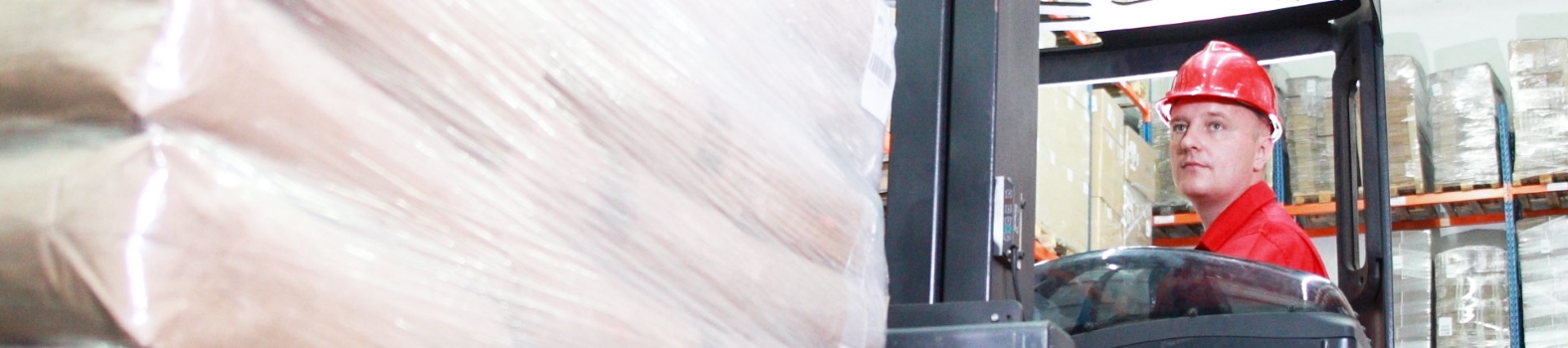
Polybags was founded in 1961 when Mr Geoffrey Davis bought himself a bag maker, which he'd seen advertised in his local newspaper. He set up the machine in the garage at his house and began making bags, which he sold to people in the local area. Geoffrey's wife Pamela even helped with deliveries when she took the baby out for a walk in the pram!
As sales grew, Polybags moved into factory premises and Geoffrey teamed up with old college friend Brian Turner, who took charge of Polybags' production process, which saw them manufacturing their own polythene using the blown-film extrusion process.
Polybags was soon operating 24-hour blown-film extrusion and producing polythene sheeting and bags around the clock. As the business grew, so did the need for bigger premises. The company moved to a factory in Alperton, west London before taking up residence in Greenford, Middlesex in the 1980s.
The expanded premises offered greater storage for Polybags' ever-increasing range of stock and this trend has continued to this day.
Polybags today
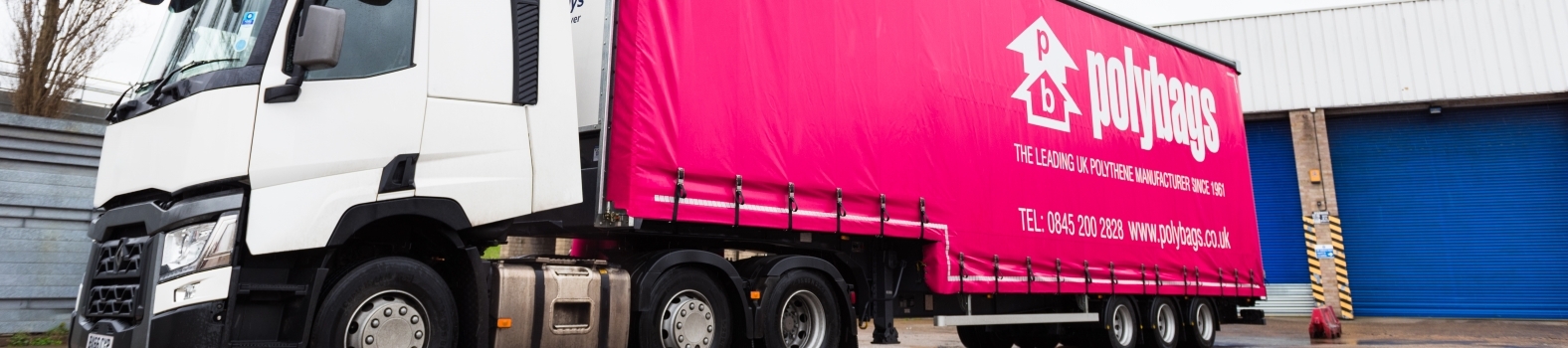
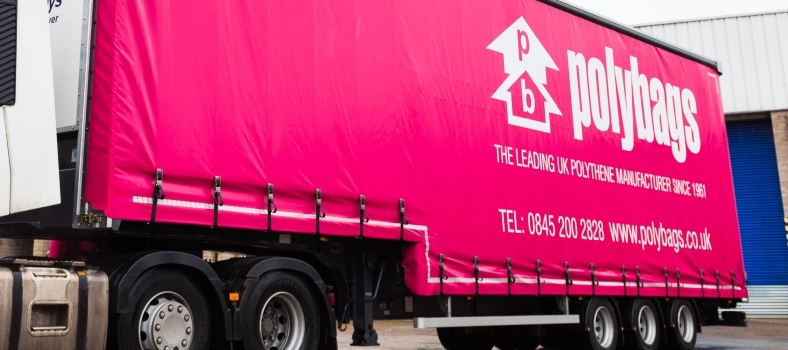
Today, Polybags operates from a much-expanded factory on the same Greenford premises, with 50,000 square feet of factory space housing 13 blown-film extrusion lines and 12 converting machines - producing 80 tonnes of polythene products per week - along with an expanded warehouse to facilitate production of an ever-increasing product range.
Our team is now led by managing director Jon Lomax, who joined Polybags in the 1990s and has overseen the company's continued growth and innovation, which has seen the introduction of new production, pricing and scheduling systems and a market-leading website.
Polybags.co.uk was launched in 1999, way before most retailers had moved online, and has continued to lead the way in the UK's polythene packaging industry.
With a customer-friendly interface allowing customers to shop from Polybags' extensive online catalogue with ease, supported by first-class delivery and communications, the website represents everything that Polybags has stood for since day one, with customer service at the very core of what we do.
Useful information about polythene
Uses of Layflat Tubing
Layflat tubing assists packing lines cut waste because the bag or sleeve can be formed to the specific size needed for the product. Stored flat on a reel, it takes up small room and opens only when required, which makes it useful for mixed runs where item dimensions change from one consignment to the next. That flexibility also retains the bench tidier, since there is no need to grasp several pre-manufactured bag sizes. The practical judgement sits in the gauge: lighter film is easier to transport and seal, while thicker material gives more protection against puncture and rough handling.
polythene suppliers Tubing
polythene suppliers tubing in the 25 mm class gives a packing line a sensible middle ground between loose wrap and a full bag, because the product can be enclosed without overpacking or adding unnecessary waste. A small 250 g roll is light enough to retain at the bench, yet the film still requirements proper gauge control and careful winding if the layflat is to open cleanly and feed without snagging. Good tubing turns secondary bagging into a quicker, tidier job, with more even lengths and a seal area that is easier to control. That normally pays back in labour time long before material cost becomes the main issue.
Garden Waste Bags
Waste bags perform very alternative jobs depending on what goes inside them, so a single specification rarely suits all stream. Garden waste is fat nevertheless light, which means the bag requirements enough volume, decent knotting and resistance to split when dragged across a damp path or tipped into a vehicle. Rubble and demolition arisings are the opposite: compact, heavy and full of sharp edges that punish the film at the seams and base weld. That is why lighter sacks can work for leaves and cuttings, while thicker polythene suppliers with better puncture resistance is needed for scrap masonry. Choosing the proper grade cuts handling damage and avoids waste bags failing where it matters most.
Why Choose Paper Carrier Bags?
Carrier bags remain a practical selection in busy retail and foodservice because they cope well with awkward shapes, changing fill weights and rough treatment at the till or assortment point. A kraft transport pack tackles the same job with more structure, so mixed items retain their shape instead of slumping into a soft bundle amid transit. That matters for takeaway meals, picnic packs and small consignment loads where a loose bag can spoil presentation or lead to handling damage. The board brings shape through its caliper and memory, and the proper grade retains folds firm without making the pack feel heavy. That normally means tidier loading, less lost space and better stability in storage and transport.
Keyword Research: People who searched mailing bags also searched
Mailing bags need to be specified for the journey, not only the shelf price, because film gauge and seal quality determine whether parcels arrive intact. A thin poly mailer may see tidy on the packing bench, yet it can tear at the corner, scuff badly in a cage, or let the adhesive fail when sacks are crowded in transit. A stronger bag with the proper thickness stands up better to light rain, rough handling and repeated sliding against other consignment loads. When the seal closes cleanly and lies flat, labels stay legible and the package stacks properly at dispatch, which cuts rework and sorting problems.
Welcome to Cut Plastic Sheeting
Plastic sheeting performs optimal when it is matched to the task rather than ordered as a one-size-fits-all item. Cutting to the proper dimensions assists prevent waste, while edge finishing can reduce snagging and splitting amid handling, particularly on busy packing lines or when sheets are folded and stacked in storage. Rounded corners are a small detail, nevertheless they can make a contrast where sheets are moved often, since sharp corners tend to grasp on straps, pallets, and rough board. A well-prepared sheet is easier to store, safer to handle, and less likely to be rejected on arrival. That makes specification only as necessary as the material itself.
polythene suppliers sheeting for horticultural covers has to be chosen for how it behaves above a all season, not only for how thick it sees on paper. A lighter gauge may let daylight through easily, nevertheless it normally gives up heat faster after sunset, which can leave tunnels and frames colder than expected on sharp nights. Better grades transport UV stabilisers through the film so the surface does not proceed brittle or craze at the folds also soon, and that assists amid handling as much as in use. When the gauge is also low, tears spread more readily and the cover becomes awkward to fit, so any saving can disappear in additional labour and early replacement.
Poly rolls stand or drop on gauge control, because even a small thickness drift across the reel can upset the running line and cause web wander, poor seals and a telescoping stack on the pallet. That sort of fault may see minor on the winder, nevertheless it soon shows up on packing or bag-making kit, where stable film tension and predictable slip determine whether the reel feeds smoothly or beginnings snatching. The basic material selection matters also, since HDPE, LDPE, PP and BOPP do not behave alike in stretch, stiffness or surface feel. A roll that unwinds cleanly saves stoppages and avoids handling damage before dispatch.
Hm Poly Bags in United Kingdom
Poly bags earn their place in garment and laundry packing because they are light, compact and still have to withstand rough handling from the filling line to the warehouse floor. Mixed hanger consignments put proper strain on the bag corners and seams, particularly where hooks and strut ends can punch through a poorly judged gauge. Slip on the pallet matters also, because bags that slide also easily can upset stack stability, while bags that grip also hard slow down loading and picking. A sound specification retains puncture risk down and assists the flow of packed stock stay tidy.
Poly film selection affects how reliably a pack behaves on the line, because the material has to dash cleanly, seal properly, and retain its shape once it leaves the machine. A polyester-style film brings alternative handling from softer polythene suppliers, with better stiffness and often sharper print, nevertheless it can also be less forgiving if gauge control or tension is off. On a packing line that means the unwind, seal jaws, and cut quality all need to suit the film rather than fight it. If the specification is gross, the result is waste, broken seals, or packs that see tidy nevertheless fail in transit.
The customer is king
Since Geoffrey Davis first sold plastic bags door-to-door in 1961, Polybags has always prided itself on its customer service.
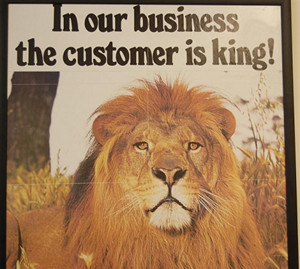
We always remember that 'the customer is king' - a slogan on this poster which has hung on the wall of managing director's office since the 1970s and remains there to this day.
The customer is always at the heart of everything we do and we continually strive to supply you with an unrivalled selection of first-class polythene products in exactly the way you need them at the most competitive prices on the market.
We are always here to help, to make your life easier and do everything you ask - and we promise to do so with a smile on our face and a sympathetic ear. If the smile is not on your face, we know we haven't done our job properly.
More information about polythene
Layflat Tubing Dispensers Product Line
Layflat tubing works optimal when it is held where the packer requirements it, because proper presentation speeds up cutting and retains the workbench tidy. A simple wall or tabletop dispenser stops the reel from sliding about, which matters when lengths are being taken for bags, sleeves or protective covers. Without that control, the edge can snag, cuts drift, and material acquires wasted through rough handling. A superb mount also assists maintain cleaner roll feed and better accuracy, so the operator spends less time straightening stock and more time packing. That makes the all station easier to dash and less likely to build up scrap.
polythene suppliers Tubing and Layflat
polythene suppliers tubing solves the normal problem of awkwardly shaped products that do not sit properly in a normal bag or carton. A continuous sleeve can be cut to length, so long profiles, extrusions and bundled parts are held in packaging that follows the product rather than leaving loose voids around it. That tighter fit reduces wasted film and makes bench packing easier, because the operator can set the length to match the consignment instead of working around a fixed size. The result is cleaner packs, less overpacking and far less empty pockets that can lead to movement in transit.
About Frisco Dog Waste Bags
Waste bags succeed or fail on how they handle in use, not on how tidy they see on the shelf. A superb bag requirements enough gauge to resist puncture, enough stretch to cope with awkward loads, and a shape that feeds cleanly from a dispenser without snagging or necking down below strain. Once a bag has to transport heavier waste or a second liner, weak film and poor dart impact soon become apparant at the worst potential moment. Scented versions can assist with odour control, nevertheless the formulation has to stay balanced or the extrusion process and seam strength start to suffer. That is why plain, well-manufactured stock often proves easier to convert, easier to use, and less likely to fail in the hand.
Reusable Paper Carrier Bags
Carrier bags need to be judged on how they behave in proper handling, not on how tidy they see on a finished specification sheet. A paper bag can seem straightforward, yet the handles, folds and glued seams are the points that fail first when cases are lifted, stacked and pulled through the warehouse. Damp air in storage can soften the sheet and reduce stiffness long before it reaches retail display, so board grade, fibre direction and adhesive spread have to be chosen with care. A superb mono-material format also retains recycling simpler, nevertheless the trade-off is often additional bulk and less efficient pallet loading, which makes dispatch and store replenishment harder.
Grey Mailing Bags Strong Poly Postal Postage Post Mail Self Seal All Sizes Cheap Grey Mailing - £151.99
Coloured mailing bags need to be chosen by grade, not only by appearance, because the film has to match the weight and shape of the products inside. A decent polythene suppliers mailer can shrug off light moisture, scuffing and normal mailing rough treatment, nevertheless only when the gauge is proper for the job. A bag that is also light can split along the seam or creep open at the seal, which quickly turns into complaints and returns. A bag that is heavier than needed only adds material cost and waste. Well-specified bags give cleaner dispatches and less damaged parcels.
Greenhouse Plastic Sheeting
Greenhouse plastic sheeting has to do above simply cover a frame, because the film controls light, heat, moisture loss, and how long the structure stays usable. A superb cover is chosen for the proper gauge and clarity so it can take tension without tearing, while still letting enough light through for crop growth. Installation matters as much as the material itself, since loose fixing points, sharp edges, or poor overlap can shorten the life of the film very quickly. If the sheeting is fitted badly, wind lift and abrasion soon turn a cost-effective roll into a costly repair.
Opaque polythene suppliers sheeting works optimal for weed suppression when the gauge is chosen for the job, because a film that is also light can split around sharp ballast and lose its edge grasp before the ground is properly covered. A tighter high-density grade retains its shape better amid handling, so the roll survives loading, laying and repositioning without turning into a patchwork of weak spots. That matters when the sheet has to sit flat against uneven ground and stay put through wind and foot traffic. Good specification also reduces waste, since less damaged lengths are cut off and less replacement strips are needed on site. In practice, the proper film gives cleaner coverage and less call-backs.
Poly rolls only perform properly when all part of the supply chain is kept below control. A roll that arrives on schedule, with a consistent gauge and the proper handling gear in the same consignment, lets packing lines retain running instead of waiting while stock is tracked down. That matters on work where secondary bagging, slab cover or moisture control has already been planned around the shift, because one late delivery can soon unsettle pallet movement and fill the yard with backed-up loads. Good planning retains labour productive and avoids the drift into inactive time that causes concealed cost.
Poly Bags
Poly bags need to be specified with more care than their plain appearance recommends, because gauge, seal quality and film behaviour all affect how well they work on the warehouse floor. A bag that sees acceptable on paper can still split at the weld, cling awkwardly amid packing or take up also much space in a case, and those faults quickly display up in dispatch. Consistent melt flow and tight micron control assist the material dash cleanly through secondary bagging, while the proper balance of strength and tare weight retains pallet loads stable without adding unnecessary bulk. That makes poly bags a small item with a big effect on handling efficiency.
Static electricity generated from poly film roll - YouTube
Poly film can create a static charge as it unwinds, and that charge causes trouble long before the roll is empty. Sheets cling together, edges lift in draughts, and lightweight offcuts jump towards machinery or the operator's hands. In a packing room, that means slower handling, awkward sealing, and a higher risk of labels or dust sticking where they should not. The problem is often worse on dry days or when film is running fast through converting kit. Good earthing, sensible humidity control, and the proper unwind settings assist retain the film behaving properly, which protects both output and stop quality.
No-quibbles guarantee
Our number one aim is to ensure customer satisfaction, which is why we offer our famous no-quibbles guarantee. As the name suggests, if you're not happy with your order for any reason, then you can send it back to us no questions asked.
We always strive to ensure that all orders are successfully fulfilled, but we acknowledge that occasionally issues arise, so our no-quibbles guarantee means you don't need to worry if:
- You ordered the wrong item / size / colour by mistake
- The product isn't quite right to meet your specific needs
- You've simply changed your mind
- You've decided to buy elsewhere
If any of the above apply to any of our stocked goods, simply return the products to us here at Polybags within 14 days of receipt and we'll give you a full refund, no questions asked.
When we say 'no quibbles' we mean no quibbles!